
“An area of land set aside by an individual land owner, body corporate, group of owners, or a community for wildlife conservation purposes.” — Wildlife Conservation and Management Act, 2013
A land area of ecological value managed by an individual, group of landowners or a community to achieve long-term wildlife conservation alongside compatible land uses — a tool for self-governance, better land management, habitat connectivity, cultural preservation and livelihood diversification.
Kenya’s conservancies are as diverse as the landscapes and communities that sustain them — shaped by different forms of land ownership, but united by one goal.
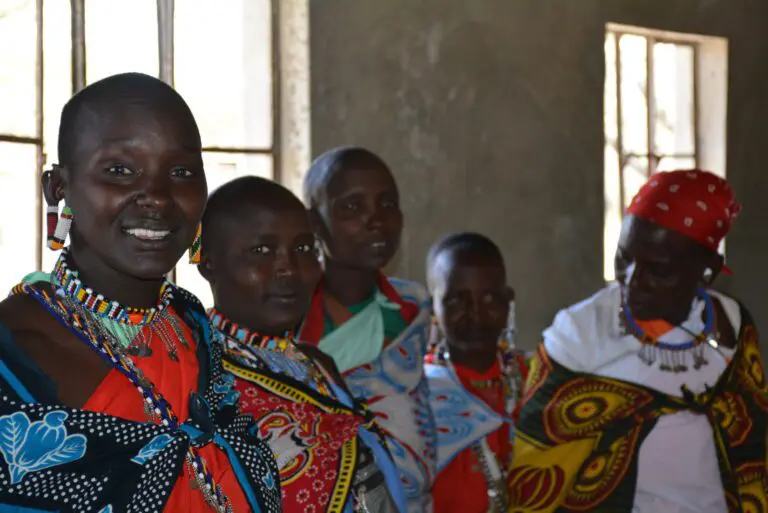
Collectively owned and managed by communities on community land under the Community Land Act (2016). They make up the majority of registered conservancies and the largest share of land under conservation.
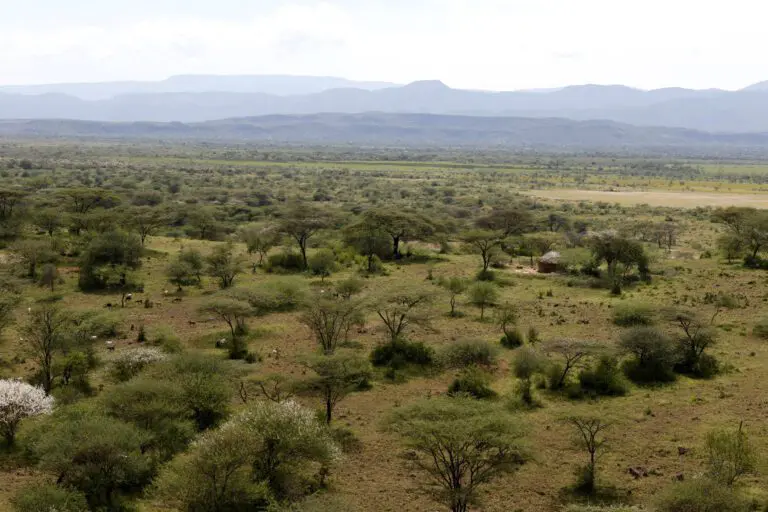
Formed by clusters of individual landowners who pool their parcels into larger, viable conservation areas — common in the Maasai Mara — keeping fragmented landscapes open and connected.
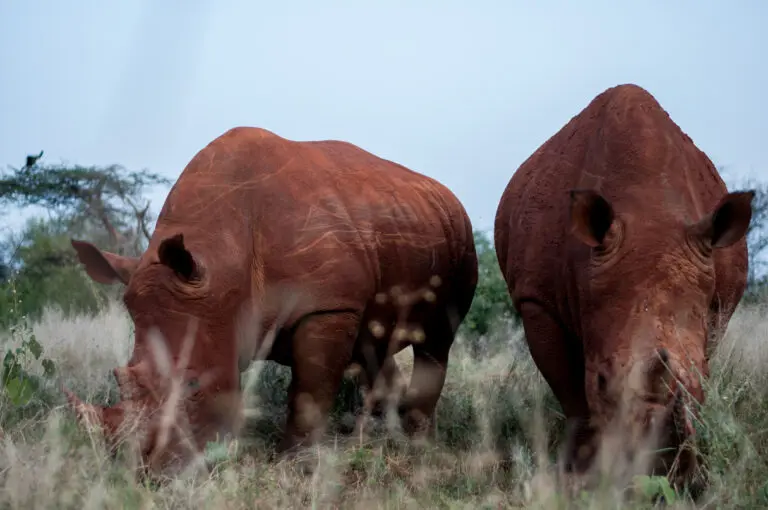
Established and managed by individual landowners or private entities on mixed-use models that combine tourism, research, livestock and conservation — pioneers of conservation innovation.
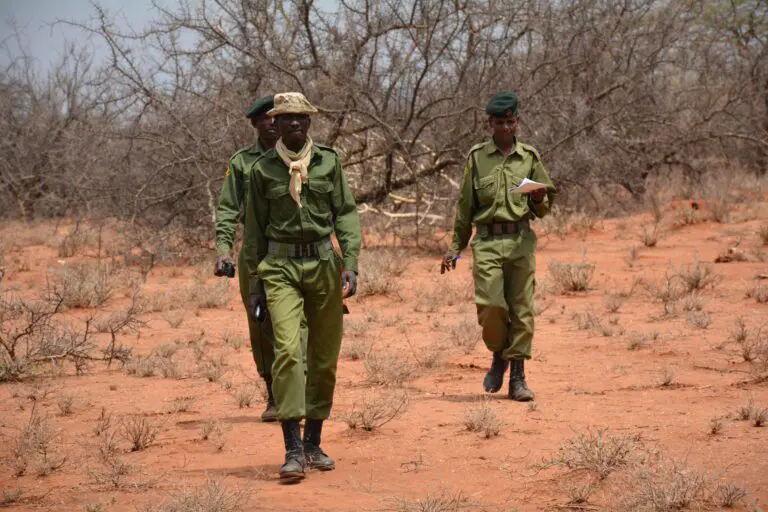
An arrangement between a government agency or authority and a community or private landowners to conserve specific public land.
The journey from inception to maturity is progressive but not linear — shaped by land tenure, community cohesion, governance and the support received. A conservancy can become dormant at any stage.
The community or landowners have resolved to include conservation objectives in land management, but a legal entity, governance and management actions are yet to be established.
A legal entity is established with a nascent governance structure. Management may be partially developed, but implementation of management actions remains ad hoc.
A legally established entity governed by an active board, with management partially established and some programmes implemented — partially self-funded.
A legally established entity governed by an active board, with management fully established and programmes implemented — mostly self-funded through diverse revenue streams.
Governance and/or management structures were established, but current constraints have significantly impacted the conservancy’s ability to manage its resources.
Conservancies have sustained biodiversity and wildlife corridors, strengthened local economies, reduced conflict and created thousands of jobs — anchoring 18% of Kenya’s landmass and safeguarding species like elephants, lions, giraffes and Grévy’s zebras.
With more than 90 new conservancies proposed, the network could soon cover nearly a quarter of Kenya’s land — unlocking eco-tourism, carbon markets, regenerative grazing and restoration economies, and helping Kenya reach the 30x30 target.