
KWCA is founded on a simple truth: conservation lasts when it is locally led. Locally-led conservation means people make the decision to conserve wildlife on their own land — shaping governance, setting priorities, and ensuring benefits are shared fairly.
Communities and landowners lead, while partners and government provide technical and financial support aligned with local priorities. This approach restores balance, protects ecosystems, and ensures conservation contributes to better livelihoods, greater equity, and stronger climate resilience.
When communities lead, conservation doesn’t just preserve nature — it transforms lives.
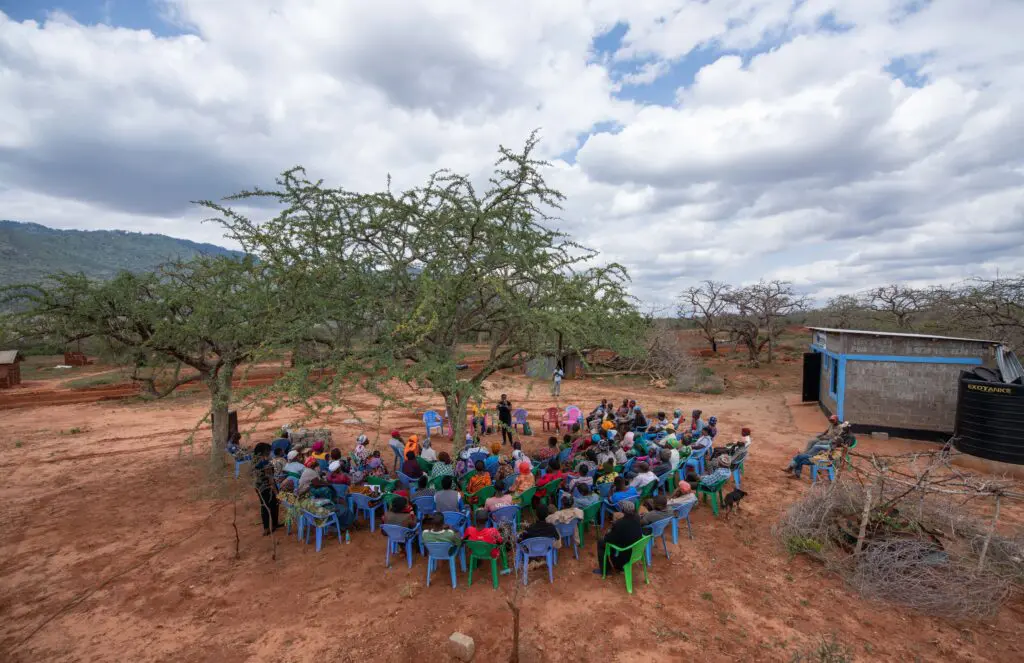
KWCA exists to help conservancies tackle the root causes of the challenges facing communities and wildlife across Kenya.
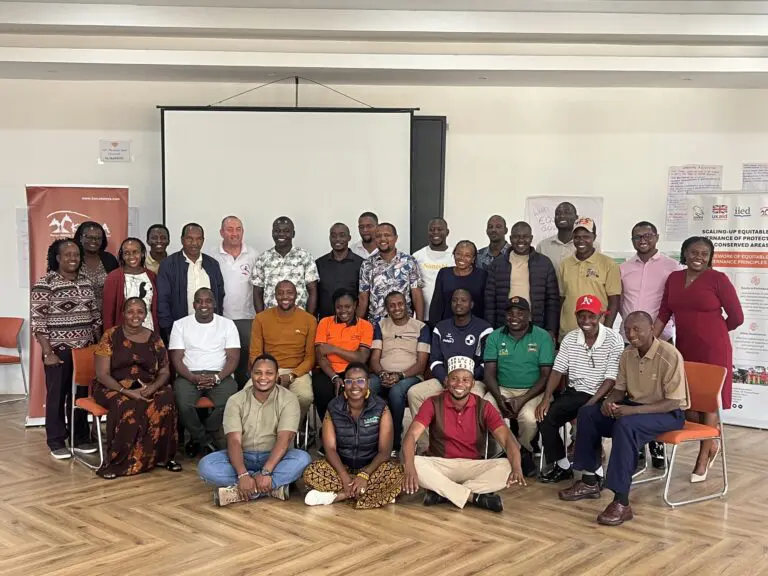
Building conservancies’ governance and management effectiveness through practical tools, and ensuring policies and legal frameworks are gender-responsive and inclusive.
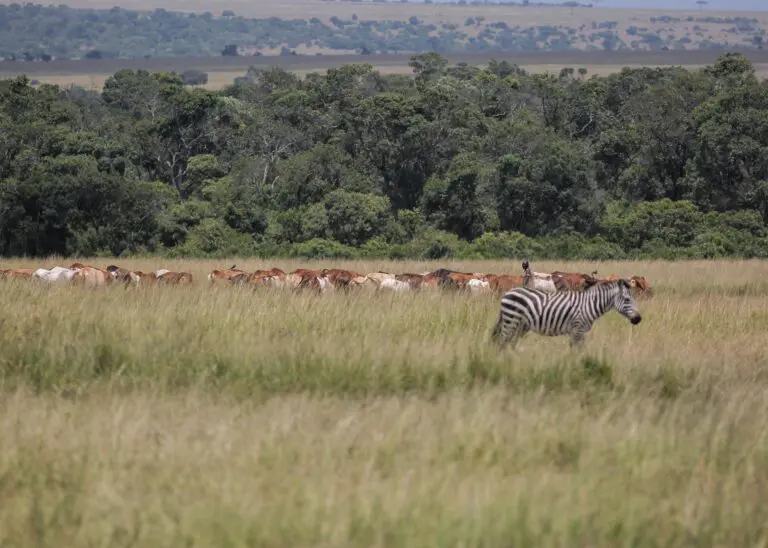
Two-thirds of Kenya’s wildlife lives outside national parks. KWCA keeps landscapes open and connected by strengthening conservancies as a land use that protects ecosystems and livelihoods.
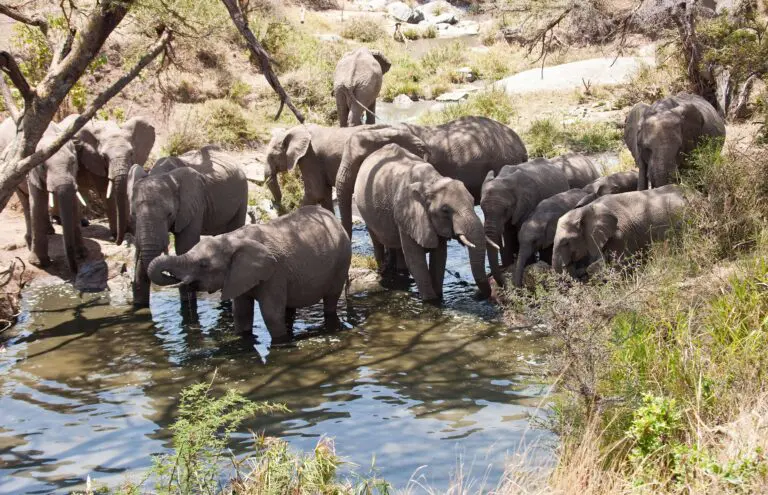
Frequent droughts, floods and extreme weather are reshaping rangelands. KWCA helps conservancies adopt climate-smart practices and nature-based solutions that build resilience.
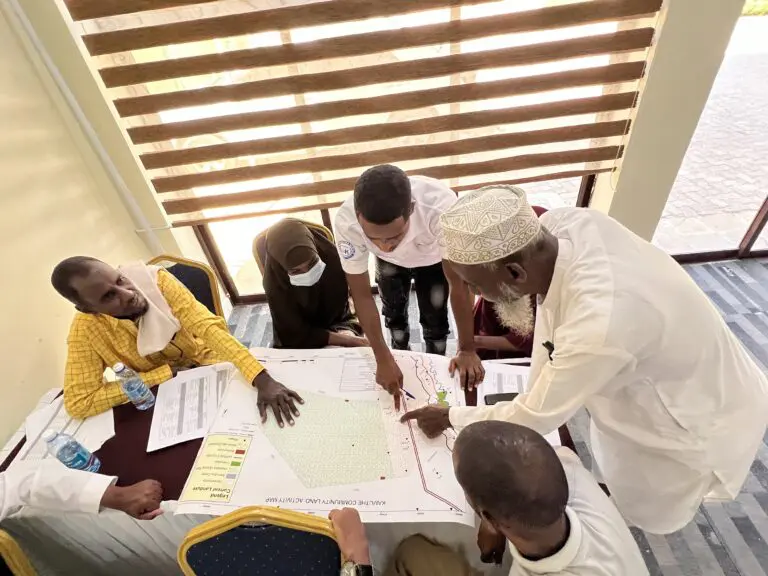
KWCA advocates for the implementation of laws such as the Community Land Act (2016), so landowners have legal ownership, management structures and benefit-sharing systems.
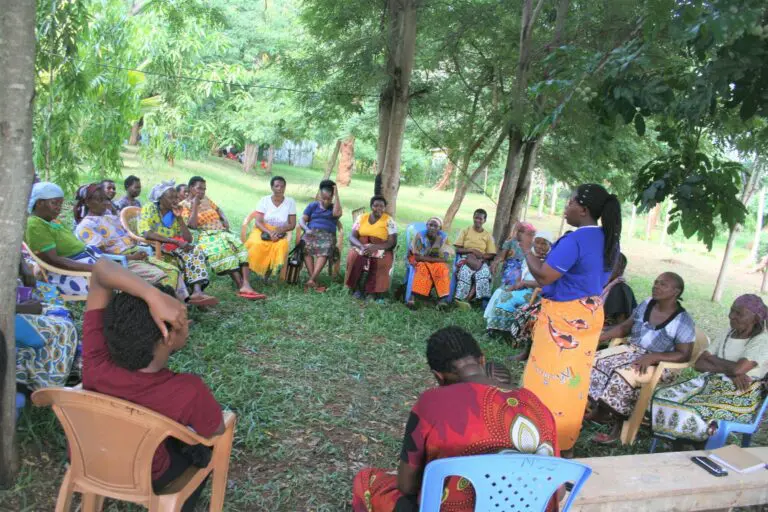
KWCA promotes inclusive leadership and equitable benefit sharing, ensuring women, youth and marginalised groups have equal opportunities to lead and thrive within conservancies.
We are the national voice of conservancies, ensuring community and private landowners influence the policies that affect them.
We bring together conservancy leaders, policymakers and partners to share lessons, solve challenges and chart collective priorities.
We are Kenya’s leading knowledge hub on conservancies, producing the State of Conservancies Report and other data-driven publications.
We link communities, counties, national government and global partners, creating the networks that sustain conservation success.