Events
KWCA at CBD CoP17
KWCA joins the seventeenth Conference of the Parties to the Convention on Biological Diversity, carrying the case for community-led conservation into the global biodiversity negotiations.
September 22, 2026

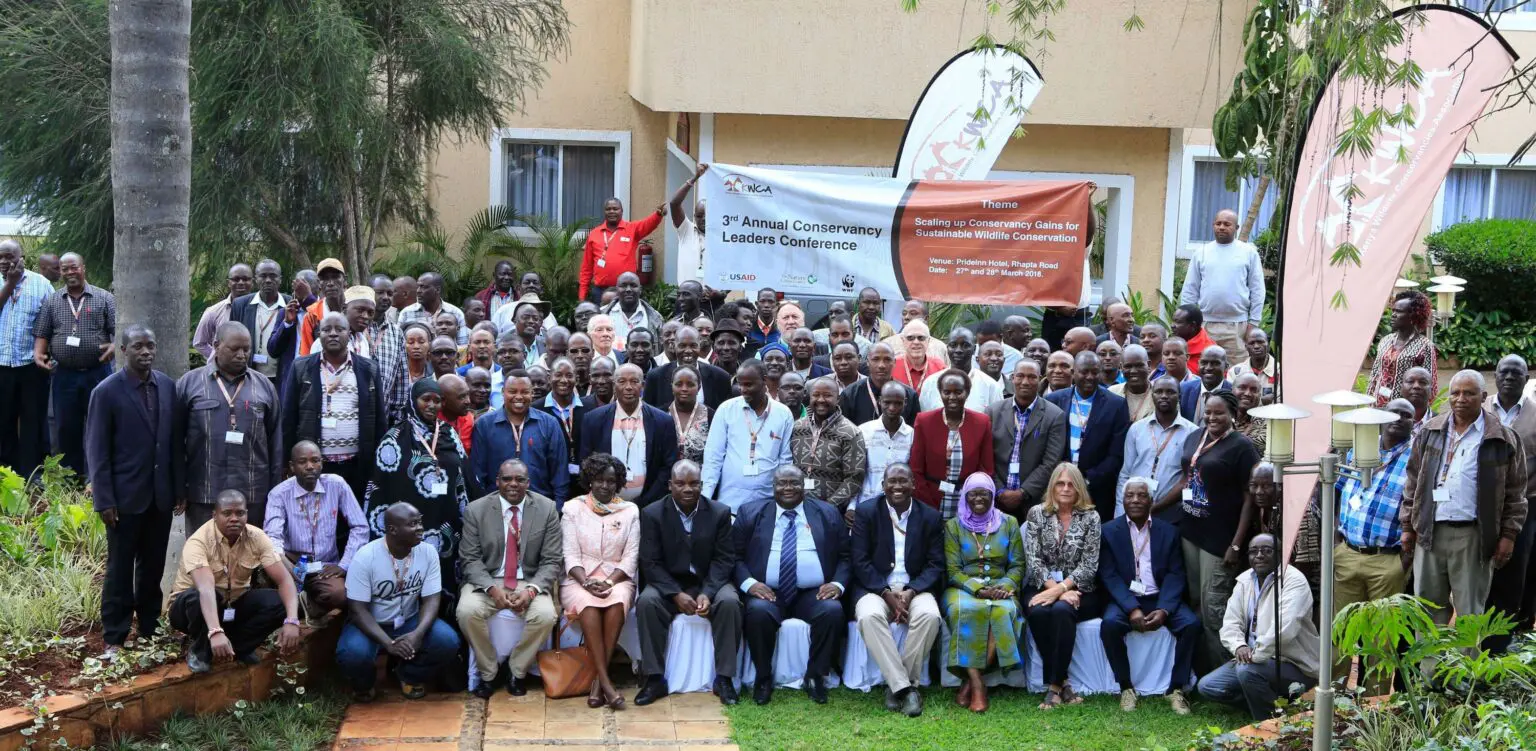
[vc_row][vc_column][vc_column_text]The theme “Scaling up conservancy gains for sustainable wildlife conservation” rang true at this year’s 2018 conservancy leaders conference held on 27th-28th March at the Pride Inn Hotel in Westlands Nairobi. More than 120 conservancy leaders from across 28 counties attended the conference to share experiences and lessons from the growing conservancy network and discuss opportunities and challenges regarding the growth of conservancies in Kenya. The leaders also had an opportunity to be acquainted to government plans, policies and laws relating to environment conservation on community and private lands.
“This year, marks five years since KWCA was established in April 2013, since then, the conservancy movement has made significant progress and KWCA has fully secured its niche as the genuine voice for people living with wildlife and is now recognized as an equal partner in conservation and conservancies. ” said KWCA CEO Dickson Kaelo. “As a result the membership has grown from 80 in 2015 to 113 in 2018. We are impressed by the high level of interest the conference continues to get each year.”
The Conference is the largest gathering for community and private conservancy leaders in Kenya. The conservancy leaders influence decision making at the local levels and are key in promoting wildlife conservation as a form of land use on community and private lands.
Conservancy Financing
Conservancies are found in Kenya’s biodiversity hotspots (Northern Kenya, Maasai Mara, Amboseli, Tsavo, Mount Kenya, Athi Kapiti plains, Rift lakes and coastal belts) which are Kenya’s key wildlife areas and contribute to the national economy mainly through wildlife tourism, supporting ecosystem services and development of local livelihoods and infrastructure. However, they face constant biodiversity threats and loss due to increase land pressures inform of human population and subsequent needs including settlements, food, industrial and infrastructural development, poverty, marginalisation due to lost livelihoods and resource conflicts and more so effects of climate change. The conservancies through conservation NGOs and donors have played important roles in cushioning the above mentioned threats but the conservation efforts employed are undermined due to financial and institutional impediments.
The conservancy leaders recognize the critical importance of collaboration and support from government to sustain a healthy, thriving ecosystem that is sustainable and is able to improve the livelihoods of the community who live in those areas. The annual conservancy leaders conference acted as a venue to further engage with policy makers and find areas of collaboration.
Given her ardent desire to support conservation, Nominated Senator Hon. Abshiro Halakhe presented her draft petition on on sustaining conservancies through government funds to the landowners for their review and comments before presenting it to the Senate. “ Conservancies play a central role in conserving our wildlife and equally carry out a public service like KWS hence the need to support them financially as it is through the communities that environmental, ecological and community needs meet.” She said.
She assured the leaders she’d push for the petition when parliament reopens and ensure that the government commits to supporting conservancies. The leaders put in their signatures in support of the petition.
Contractual agreement challenges in conservancies
Tom Ogola a lawyer engaged in contractual agreements has been working with KWCA and the Nature Conservancy (TNC) to assess various conservancies contracts and recommend best practices in order to guide future conservancy contracts. Tom led a very useful session on contractual agreements between investors and the community in conservancies to ensure they are legally sound and beneficial to both parties.
“A majority of contracts have challenges because the parties are not clear on which type of contract they should sign, ” he said, the contracts developed often provide weak financial bargaining power and benefits to the land owners and provide exclusive rights to the investors and often there is no mid-term review or official audit to allow for the correction of these anomalies.”
Key takeaways on contractual agreement strategies from Tom’s presentation
Summary of Impacts
The impact of the 2018 global congress is perhaps best illustrated by sharing a few comments from the participants.
“I have taken two days of my time to come and compare notes and learn from the others on best practices from the different regions. The biggest challenge as private conservancies in Naivasha has been species over population and its management. By bringing different players together to deliberate on the issues that affect conservancies is certainly a best step in the right direction because it will give us a platform to discuss solutions for the challenges we face to inform policies that provide incentives for conservation.”
John Ndegwa- Oserengoni Conservancy, Nakuru County
“The conference has woken up a sleeping giant. Tsavo is a sleeping giant that has just woken up. We have picked great lessons from our brothers in the Mara, Amboseli and Laikipia regions and this conference has come at an opportune time when we are just about to finalise our strategic plan. Once the strategic plan has been launched I believe we shall have many tourists visiting Taita conservancies just like other regions.”
Alphonse Mwadime- Taita Ranch Conservancy, Taita Taveta County
“As the chairlady of a community conservancy, I am privileged to attend this conference because I get to learn from other chairpersons on the work they do. But I have noted that I have achieved so much in the 2 years I have been a chairlady compared to my other male colleagues. I advise KWCA to consider including more women in future events. While the meeting is for chairpersons of which a majority are men, KWCA should involve the other women at the board level to come and learn from this informative platforms so that they can also benefit from the discussions.
Habiba Tadicha- Biliqo Bulesa Conservancy, Marsabit County.
Read the full conference report here and watch the video below
[/vc_column_text][/vc_column][/vc_row][vc_row][vc_column][vc_video link=”https://www.youtube.com/watch?v=AEHSSp-MEAY&t=304s” align=”center”][/vc_column][/vc_row]
KWCA joins the seventeenth Conference of the Parties to the Convention on Biological Diversity, carrying the case for community-led conservation into the global biodiversity negotiations.
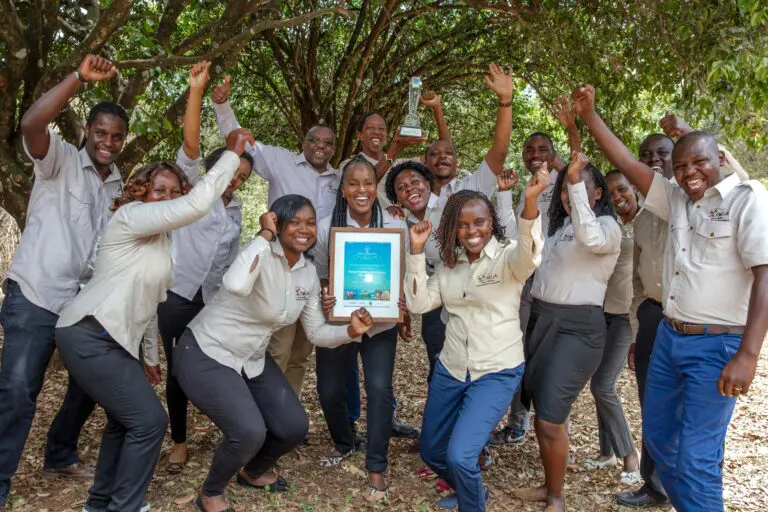
Conservancy managers from across Kenya meet to share practice, review the state of the network and set priorities for the year ahead.
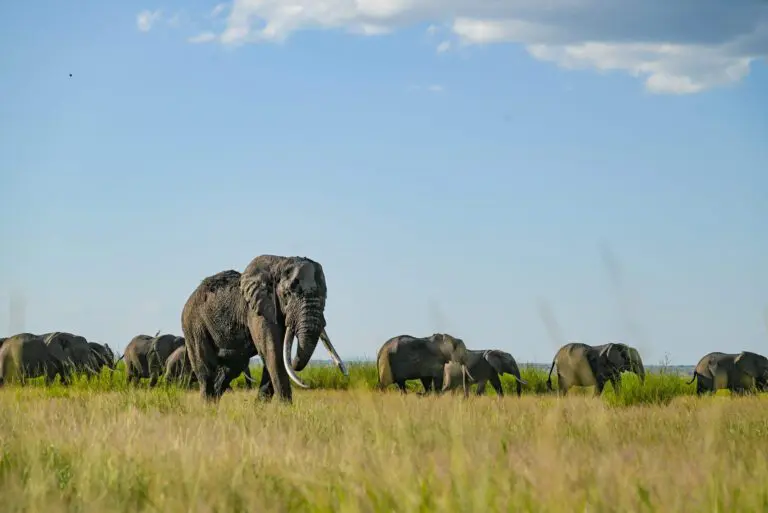
KWCA CEO Dickson Kaelo commemorated World Elephant Day at Kenya’s Gatundia Secondary School in Marmanet Ward, Laikipia West Sub County, Laikipia County. Speaking during the commemoration he reflected on the significance of elephants to Kenya’s people, landscapes and economy, while calling for greater investment in addressing the challenges faced by communities living alongside wildlife. “An…