Events
KWCA at CBD CoP17
KWCA joins the seventeenth Conference of the Parties to the Convention on Biological Diversity, carrying the case for community-led conservation into the global biodiversity negotiations.
September 22, 2026


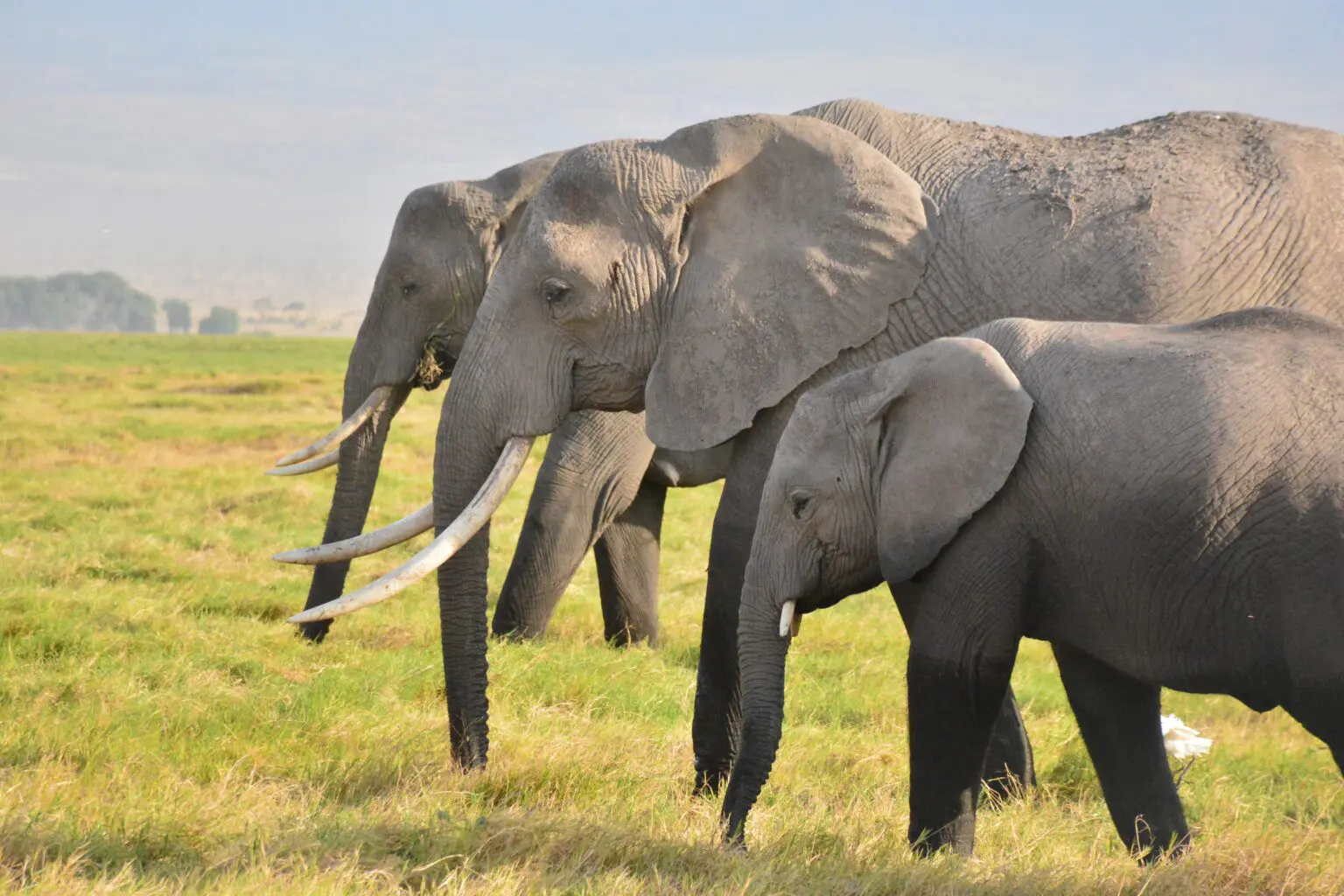
KWCA CEO Dickson Ole Kaelo joined elephant biologist Dr Winnie Kiiru on the KBC Podcast for a 41-minute conversation with Nemuel Oboiko about where elephant conservation in Kenya actually stands — and what it will take to hold onto the gains.
The episode was published on 27 August 2026, a fortnight after World Elephant Day. KBC framed it this way:
“A week after the world marked Elephant Day, we are bringing you the conversation that matters: what is actually being done to stop poaching, why elephants and communities are colliding more than ever, and what the future holds if nothing changes.”
Kenya’s elephant story is, on the headline numbers, a success. The national population has climbed to roughly 42,000 animals, up by about 6,000 from the 36,000 counted a few years earlier, and poaching for ivory has fallen sharply from its peak.
But recovery changes the problem rather than ending it. More elephants moving across a landscape that is being fenced, farmed and settled at pace means more contact — and more cost borne by the households living closest to wildlife. Conservancies sit exactly on that frontier. Community, group and private conservancies secure the habitat, dispersal areas and corridors that elephants depend on once they step outside national parks, which is where most of them spend much of their time.
That is the tension the episode works through: how a conservation win becomes a coexistence challenge, and who pays for it.
What is actually stopping poaching. The decline in ivory poaching was not a single intervention. It reflects ranger presence on community land, intelligence networks, tougher legislation and a collapse in end-market demand — a combination that has to be maintained rather than declared finished.
Why conflict is intensifying. Speaking at World Elephant Day earlier in the month, Kaelo named three challenges that sit behind the rise in conflict: human-wildlife conflict itself, securing wildlife corridors, and water stress affecting both communities and wildlife. Corridors that close force elephants into farmland; water scarcity pushes them toward the same sources people rely on.
What happens if nothing changes. The policy asks are specific. KWCA has called for the Wildlife Conservation and Management Bill 2024 to be fast-tracked, and for the Wildlife Conservation Trust Fund to be resourced properly so that compensation and mitigation actually reach the families who absorb the cost of living alongside elephants.
“An elephant is a symbol of good leadership. It is intelligent, has an amazing memory, and is gentle, yet powerful when threatened. As humans, there is much we can learn from understanding the lives of elephants.”
— Dickson Ole Kaelo, KWCA CEO
The full 40:56 conversation is available on KBC’s podcast site.
Listen: Elephant Conservation on the KBC Podcast →
KWCA joins the seventeenth Conference of the Parties to the Convention on Biological Diversity, carrying the case for community-led conservation into the global biodiversity negotiations.
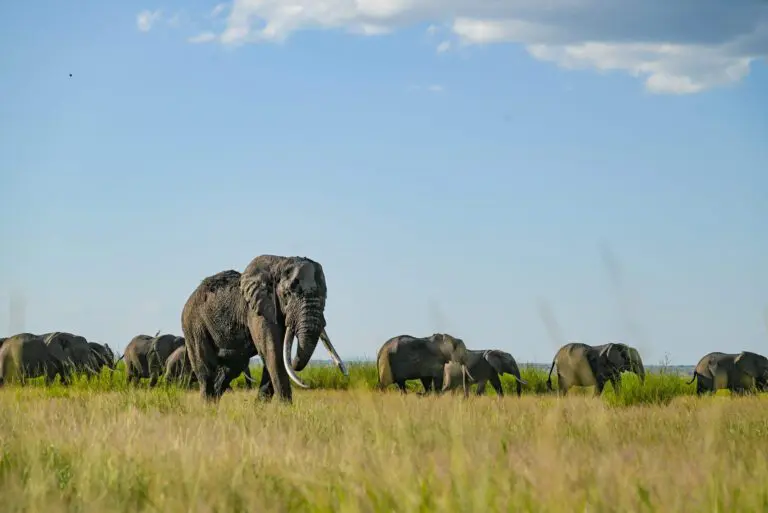
KWCA CEO Dickson Kaelo commemorated World Elephant Day at Kenya’s Gatundia Secondary School in Marmanet Ward, Laikipia West Sub County, Laikipia County. Speaking during the commemoration he reflected on the significance of elephants to Kenya’s people, landscapes and economy, while calling for greater investment in addressing the challenges faced by communities living alongside wildlife. “An…
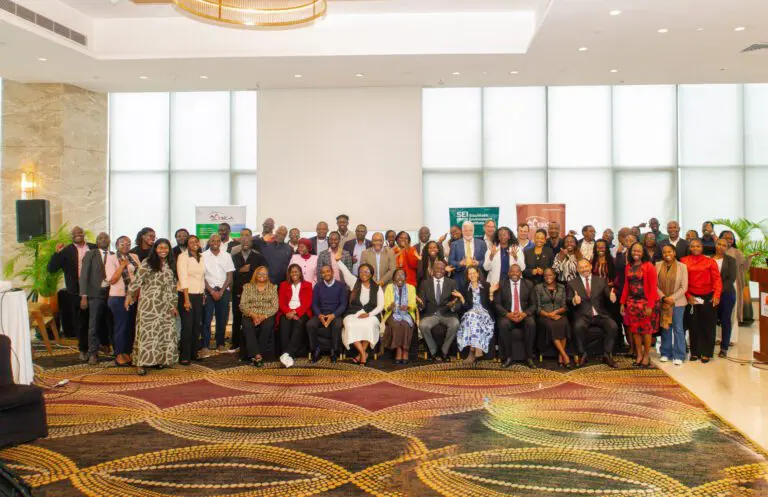
23 July 2026, Nairobi — The Kenya Wildlife Conservancies Association (KWCA), together with Terrasos, EarthAcre and the Stockholm Environment Institute (SEI), convened a policy dialogue to explore the role of biodiversity offsets in Kenya. Held under the theme, “Making the Business Case for Biodiversity Offsets in Kenya: Bridging the Development and Biodiversity Finance Gap,” the…