
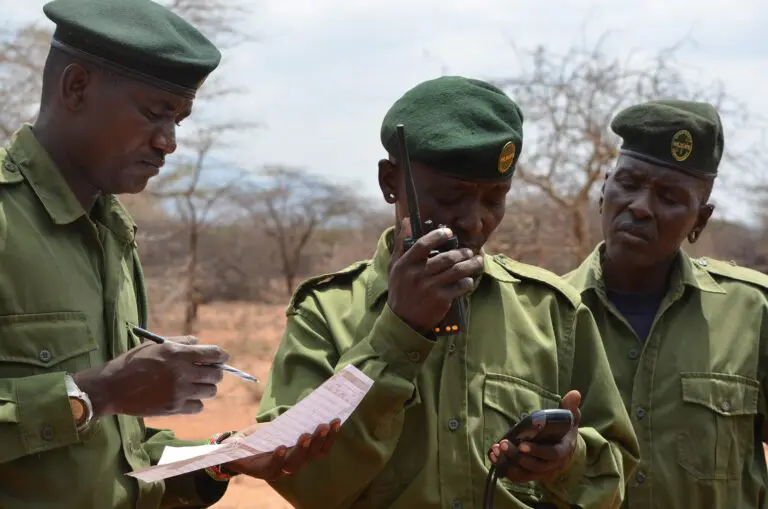
KWCA Join International Rangers Federation (IRF) Family
KWCA has become an associate member of the International Ranger Federation, whose support is helping establish a national association linking conservancy rangers to the global network.

KWCA has become an associate member of the International Ranger Federation, whose support is helping establish a national association linking conservancy rangers to the global network.

A look back at 2017, when conservancies began to shape how inter-ethnic conflict between pastoralist communities is resolved and proved their worth as grass banks in a drought year.

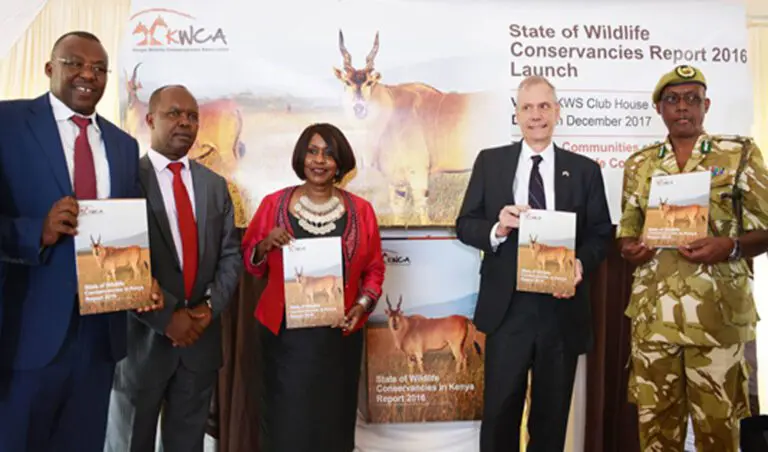
KWCA has launched the first national State of Wildlife Conservancies Report, documenting a network that has grown from scattered initiatives into a coordinated policy voice.

Kenya’s new wildlife policy, replacing a sessional paper from 1975, gives conservancies prominence and opens a route to the people-oriented conservation the old policy never delivered.

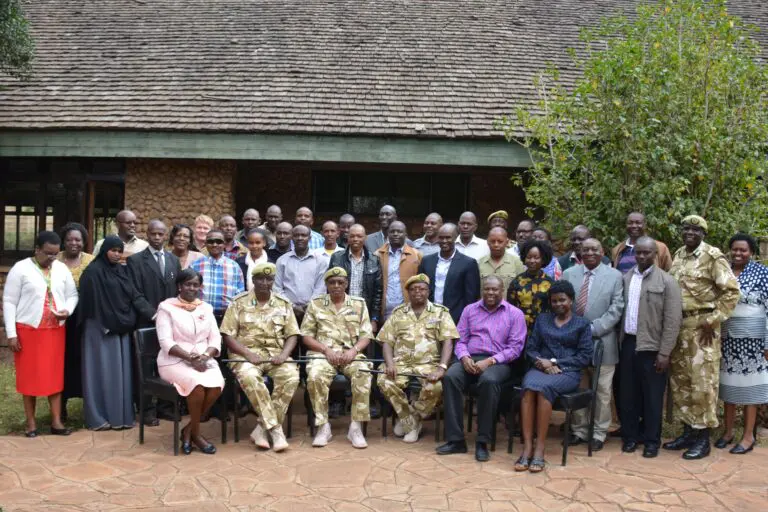
Thirty-five conservancy managers and head rangers from seven regions met KWS to review the training curriculum at the Law Enforcement Academy, which has trained 1,500 conservancy rangers.

The Wildlife Corridors and Dispersal Areas Report, launched by Prof Judy Wakhungu, maps over 100 migratory corridors and sets out how communities and landowners can help secure them.

A proposal to limit wildlife compensation claims to KWS-managed parks would abandon the communities hosting two-thirds of Kenya’s wildlife, and the goodwill conservation depends on.

Kenya earned KSh100 billion from 1.3 million visitors in 2016. Dickson Kaelo argues in the Daily Nation that marketing county and conservancy products could grow that considerably.

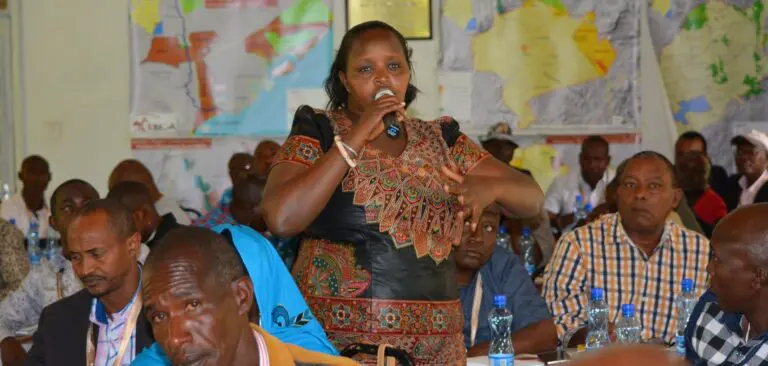
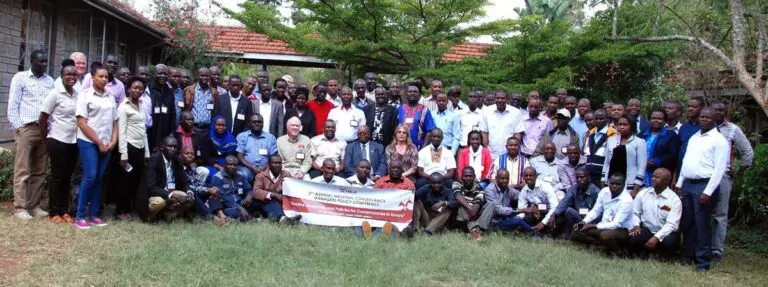
105 conservancy managers from 12 regional associations met at CORAT Africa to review the Wildlife Policy and the 2016 amendment Bill, under the theme of effective leadership and policy.

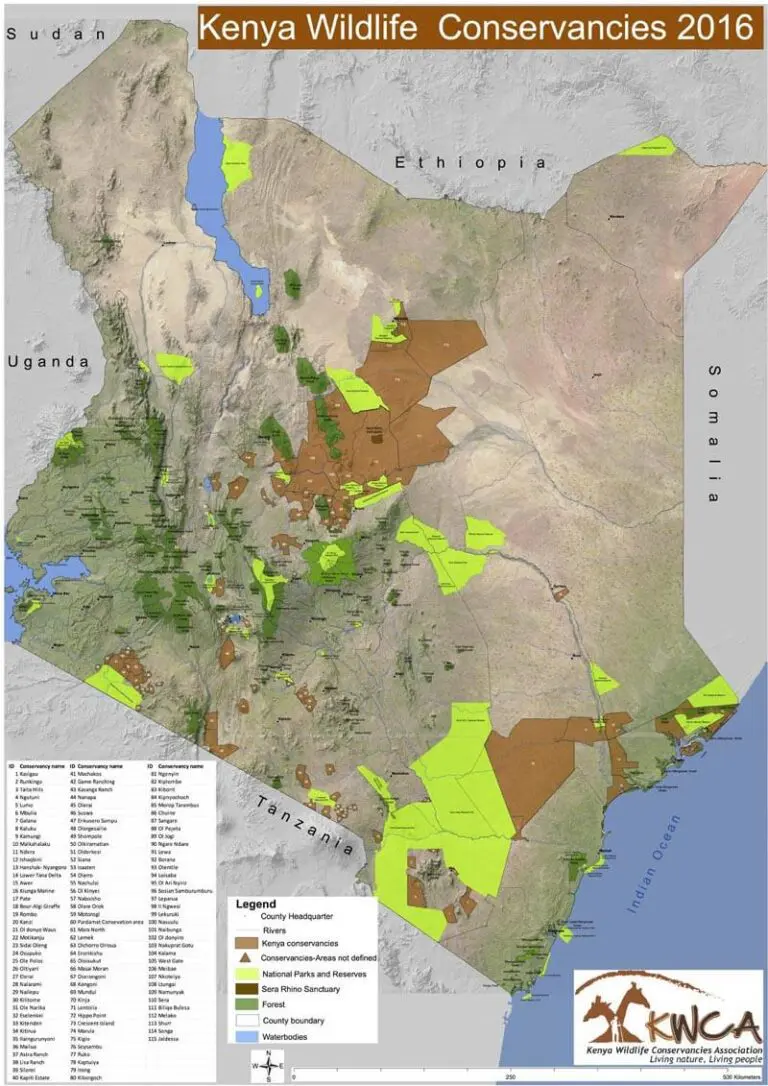
KWCA has published Kenya’s first complete conservancies map, plotting 119 of the country’s 160 conservancies across ten regions: 55% community, 30% private and 15% group-owned.

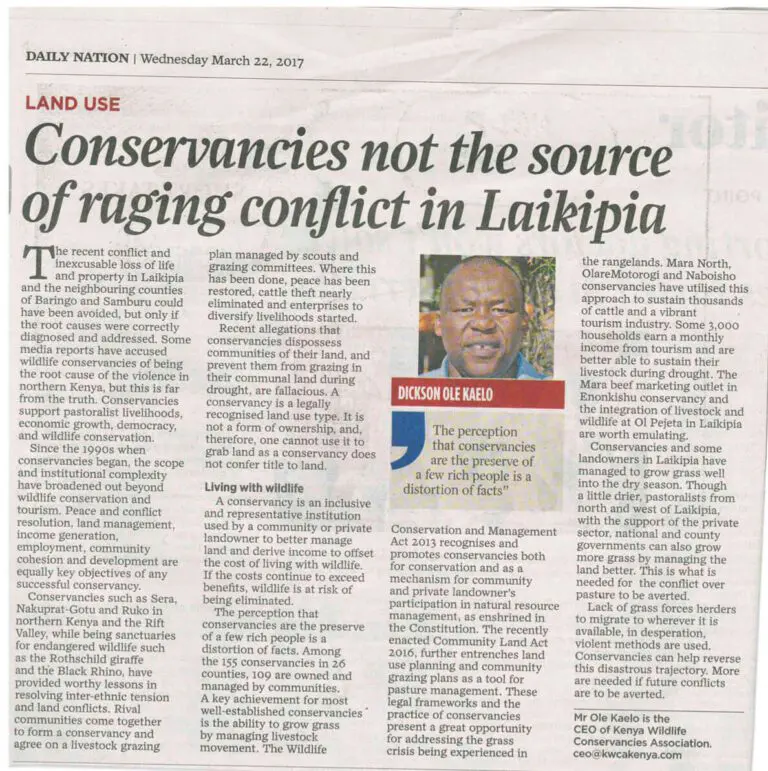
Dickson Kaelo responds to the invasions in Laikipia, setting out how conservancies have defused inter-ethnic conflict in the north and built livelihoods in the Mara and Laikipia.

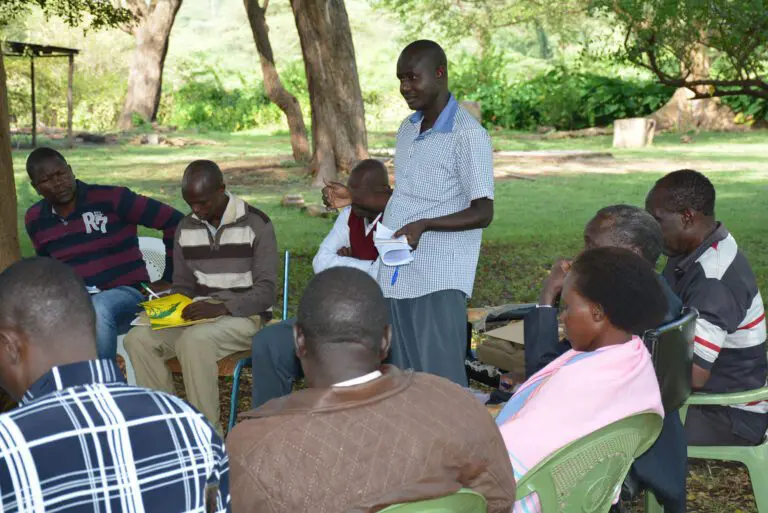
For Kipkemei of Kiborgoch Community Conservancy, the Community Land Act ends years of living as a squatter on inherited land, and secures the conservancy that now protects it.