
Conservancies’ role in wildlife Protection
Writing in the Standard, Dickson Kaelo argues that landowners and communities are conservation agents in their own right, and that their work goes largely unrecognised.

Writing in the Standard, Dickson Kaelo argues that landowners and communities are conservation agents in their own right, and that their work goes largely unrecognised.

Ol Lentille and Ol Pejeta took the community and private conservancy categories at the 11th Eco-Warrior Awards, judged on how tourism benefits are shared with local communities.

The Community Land Act, enacted on 31 August 2016, gives communities legal power over their land. KWCA proposed 24 amendments during public participation, twelve of which were adopted.

KWCA and IUCN are piloting a theory-of-change approach to illegal wildlife trade, working along four pathways from stronger disincentives to reducing the cost of living with wildlife.

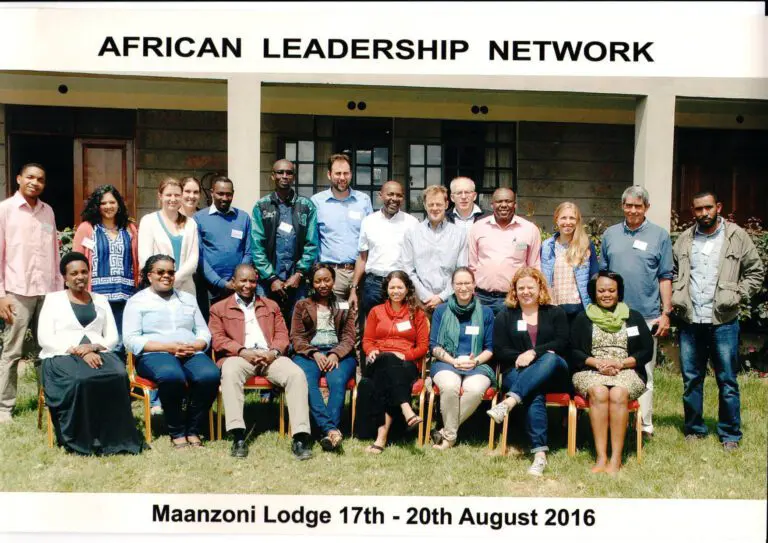
KWCA joined apex community conservation bodies from Namibia and Tanzania for a four-day action learning workshop on the leadership and governance weaknesses holding the sector back.

Baringo’s county government has set up a conservation fund that conservancies compete for, with Ruko, Ngenyin, Kimgochoch, Kaptuya and Morop Tambarass among the first to benefit.

KWCA has published a guide for landowners and communities setting out the processes, policies and resources needed to establish and run a wildlife conservancy in Kenya.

NACSO’s team visited KWCA to exchange lessons on wildlife corridors and revenue diversification, noting Kenyan conservancies’ enterprise work against Namibia’s reliance on tourism.