Strengthening coordination among community rangers in Kenya to deliver community and conservation outcomes — integrating human rights best practice into ranger operations and building the Association of Wildlife Conservancies Rangers in Kenya.
Project background
Over the years, KWCA has partnered with WWF to progressively build the capacity and network of community rangers in the country. KWCA has been implementing the WWF-led 'Voices for Diversity — Safeguarding Ecosystems for Nature and People' project since December 2020. The project seeks to strengthen coordination among community rangers in Kenya to deliver community and conservation outcomes.
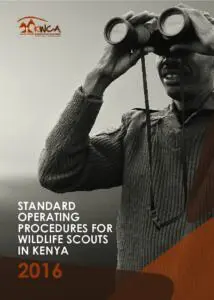
Key achievements include supporting the registration of the Association of Wildlife Conservancies Rangers in Kenya (AWCR) in 2018 to provide a platform for community rangers to connect, share information, experiences and best practices and co-develop security and community engagement strategies; and developing, publishing and distributing over 600 copies of Standard Operating Procedures for community rangers in Kenya.
Problem statement
Community rangers play critical roles in securing wildlife habitats, minimising illegal trade and linking community surveillance with national and county law enforcement efforts in Kenya. In Kenya, community rangers are recognised as Community Wildlife Scouts under the Wildlife Conservation and Management Act 2013. Over 3,500 community scouts are employed across conservancies in Kenya, and their numbers in each conservancy depend on the conservancy's financial ability, perceived risk and scale of operations. By engaging community members as rangers, law enforcement becomes a community agenda and the cost of participating in illegal wildlife trade increases, thereby deterring poaching.
To build on the previous project's successes and scale the capacity of community rangers, KWCA received additional support from WWF to integrate human rights best practices into conservancy rangers' activities by reviewing the SOPs, developing a human rights handbook, and providing institutional support to operationalise AWCR.
Project goal
To strengthen coordination among community rangers in Kenya to deliver community and conservation outcomes.
Objectives
- To integrate human rights best practices in conservancy rangers' activities.
- To strengthen institutional and programme capacity for the Association of Wildlife Conservancies Rangers in Kenya.
Project activities
- Publish, print and disseminate the SOPs and Conservancy Human Rights Handbook to member conservancies.
- Conduct Training of Trainers on human rights sensitisation at landscape level to enhance adoption of the handbook.
- Engage a consultant to develop the association's strategic plan, providing direction and outlining goals and actions.
- Engage a part-time rangers' coordinator to support the KWCA team in implementing project activities.
- Organise the association's inaugural annual general meeting to hold elections, present organisational reports and prioritise plans.