
“Nilikuwa najua Mwaluganje ni mambo ya mababu na mababa zetu.”
(I used to know that matters to do with Mwaluganje sanctuary were handled by our grandfathers and fathers)
– Saidi Kidzuga, Golini Youth Representative Board of Trustees, Mwaluganje Elephant Sanctuary
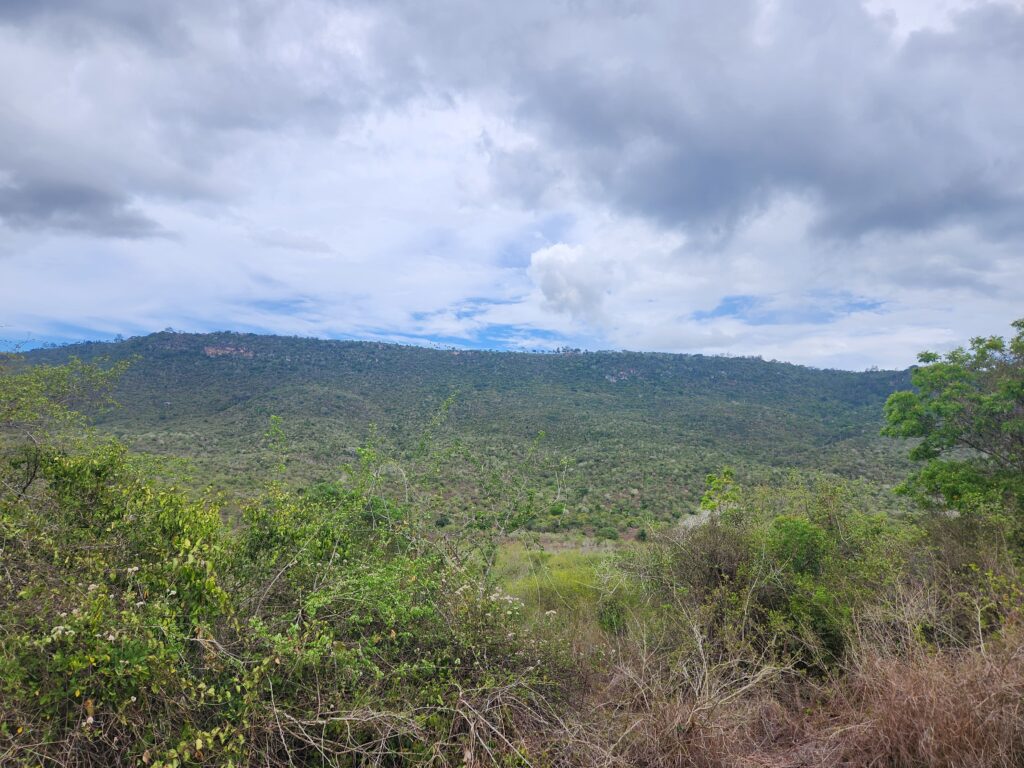
Hidden in the hinterland of Kenya’s South Coast and imbued with dramatic cliffs, high waterfalls, forested hills and bushlands is Mwaluganje Elephant Sanctuary. Founded in 1995, the 60,000-acre sanctuary was established as a protected migratory corridor for elephants and other wildlife moving between Shimba Hills National Reserve and the Tsavo National Parks through the Mwaluganje Forest Reserve. The Sanctuary has diverse fauna and flora such as zebras, leopards and baboons, waterbucks, birds and reptiles. It is also a known mating ground for elephants.
However, over time, Mwaluganje, like any pioneering institution experienced its fair share of governance challenges that almost resulted to its collapse. Since its establishment, the sanctuary had been operating using its first constitution which was developed in 1995 and that had many gaps. Notably, it lacked a solid governance structure which did not mention roles or term limits for the office bearers. Moreover, the constitution left out women and youth in major activities such as annual general meetings. These gaps in governance of the sanctuary were highlighted by a SAGE assessment done for the sanctuary.
The SAGE process involved the members and stakeholders of Mwaluganje Elephant Sanctuary undertaking participatory self-assessments. Through these assessments the sanctuary developed practical action plans aimed at strengthening institutional effectiveness, transparency, inclusivity, and equitable benefit-sharing. From the SAGE assessment, one of the major actions recommended was the need to review the constitution of the sanctuary. Within the new constitution, there was a unique clause which required that the board of trustees have a women and youth representative. It is this clause that gave a youth by the name of Saidi a seat in the governance tables of Mwaluganje.
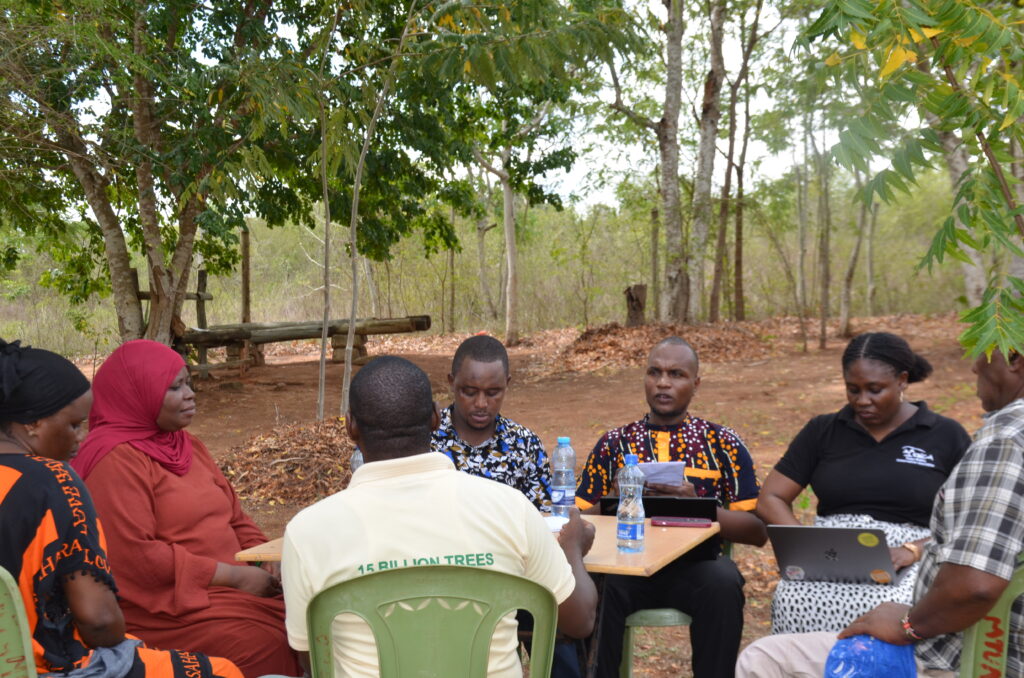
Saidi is a vibrant young man from the upper side of Golini in Kwale County. The lastborn of eight siblings, his confidence can be felt from a mile away. He has set up a small chicken business and doubles up making natural fresh fruit juice to boost his daily income. Moreover, he is among the community ambassadors creating awareness on issues of human rights and reproductive health in Golini. Saidi is Keen on pursuing a course in digital technology when funds become available.
His friends call him ‘panga’ due to his precise and articulate use of words, a gift he discovered while in primary school. At Shimo la Tewa where he attended secondary school, Saidi horned his public speaking gift though debating activities and public speaking events. It is this blend of confidence and eloquence that got him elected to the board of Mwaluganje Elephant Sanctuary.
“My first time inside Mwaluganje Elephant Sanctuary was in early 2025 during a public participation meeting. In the meeting, we were discussing the results of an governance assessment of Mwaluganje. We discussed issues around access to resources, rights, transparency, benefit sharing and inclusion amongst others.” – Saidi Kidzuga
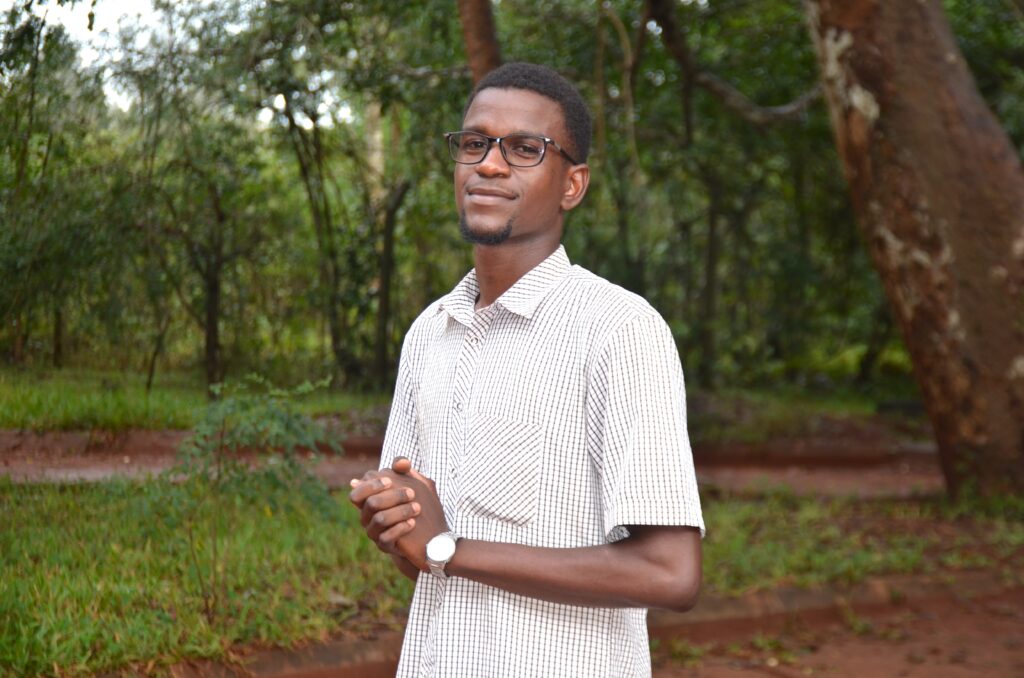
For the longest time, community meetings convened by Mwaluganje were attended by Saidi’s grandfather who has been the principal family representative at the Mwaluganje Elephant Sanctuary. Due to his age, he delegated that responsibility to Saidi’s father who has currently been representing the family at Mwaluganje meetings. When Mwaluganje announced a meeting in early 2025, unlike before, it came with an additional requirement to those invited to attend. “Kila mzee aliambiwa aje na kijana,” Saidi tells us. Each of the members were requested to come with an affiliated member who is a youth. That is how Saidi found himself within the boundaries of the Mwaluganje Elephant Sanctuary for the first time.
From what he knew and heard, it was very difficult for the community members to access the sanctuary due to its strict rules. Saidi tells us that even during his primary school years, they never had educational trips to the Sanctuary even though it was near and often received both international as well as local tourists.
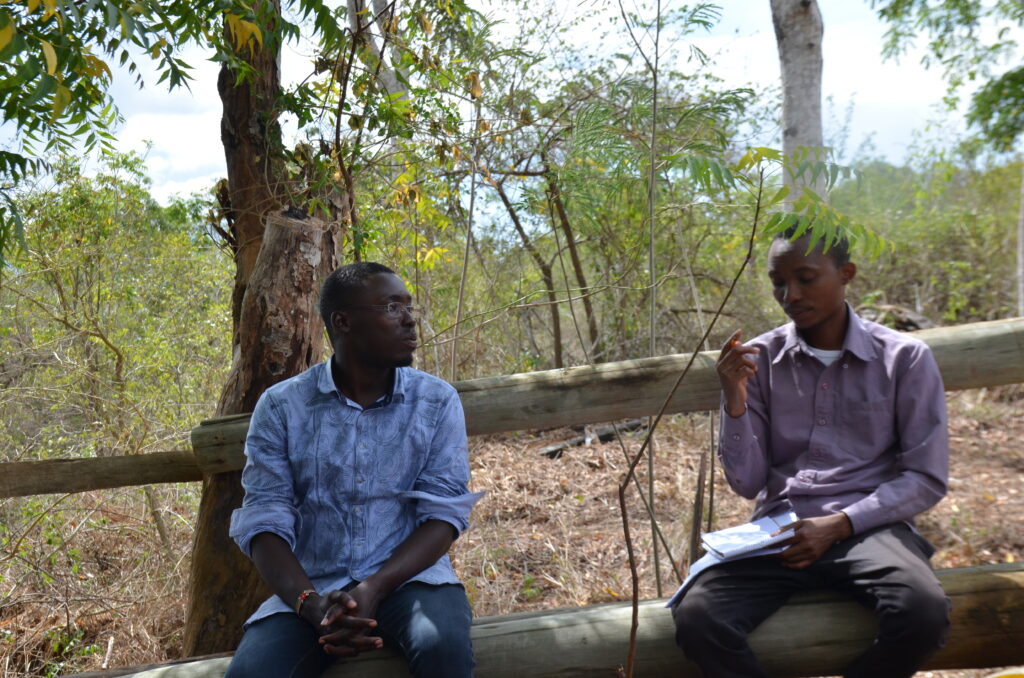
During this first meeting, Saidi realized how the youth, including himself, knew very little about the Mwaluganje Sanctuary. They did not know how the sanctuary was operated, what activities it undertook and what benefits it brought to community members like his father. This was because culturally, issues about land were handled by the older men. The women and youth were rarely involved. Due to patriarchal culture, there was little representation of their views; when present, they would rarely speak in the meetings which were dominated by men. Their contributions were often not seen to be valuable when it came to handling of land matters.
The Gradual Transition of the Sanctuary
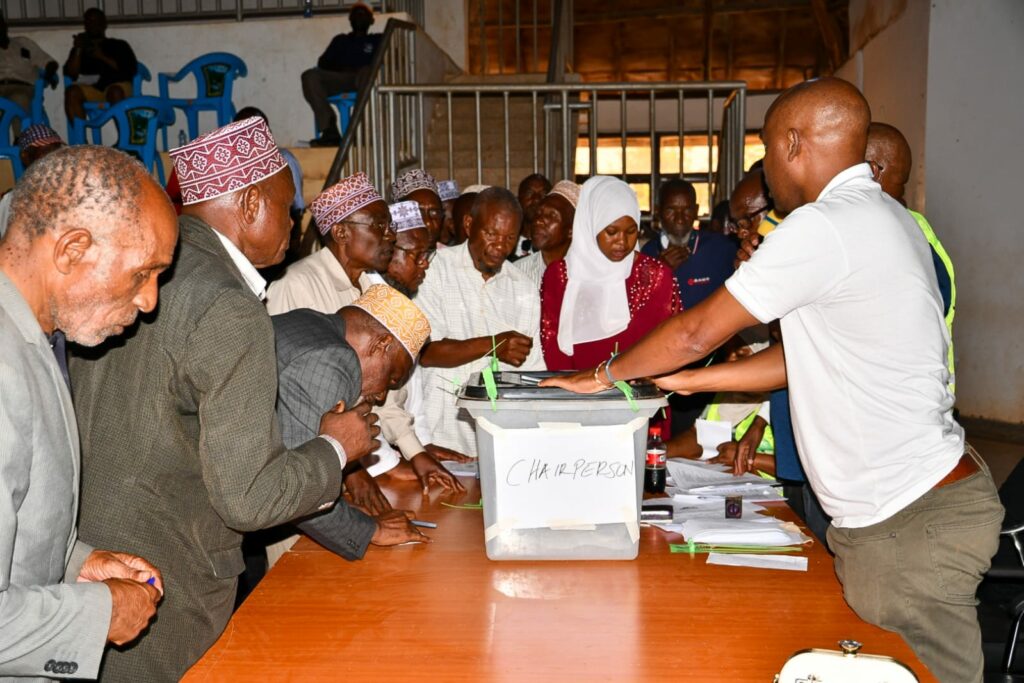
In October 2025, after some initial opposition, Mwaluganje Elephant Sanctuary validated its new constitution. The revamped document was thoroughly reviewed by community members of Golini and Mwaluganje, approved by the sitting board and ratified by members through a special general meeting.
“The new constitution guided our recent AGM which was overwhelmingly attended by both men and women, as well as youth. The AGM was conducted peacefully and in an orderly and professional manner,” says Saidi.
Saidi tells us that before the AGM, the youth had met together in several meetings and those who were interested in running for the youth representative positions forwarded their names. The new constitution provides for two slots for youth; one would represent Golini and the other Mwaluganje. It is in one of the side meetings that Saidi expressed his interest to represent the youth of Golini and explained why he was the right candidate for the seat. His eloquence got him overwhelming support from his fellow youth. During the AGM, he was among the two youth who were elected to join the Mwaluganje board of trustees.
Initially, 9 new trustees were elected for a 3-year term. Afterwards, the trustees elected two more women through affirmative action. Currently there are 7 men and 4 women in the board. Among the eleven trustees, three are youth.
(Photo credit: PECFO)
“Before, Mwaluganje Elephant Sanctuary meetings and AGMs were attended by our fathers and grandfathers. Benefits were going directly to them. They did not see our place on land matters. Our opinions and abilities were rarely considered. Today, I am part of the board and representing the youth of Golini. I get to participate in making decisions about the Sanctuary. It is inspiring to present our ideas in important meetings and seeing them put into consideration. Things are changing in a positive way.” – Saidi Kidzuga, Board Youth Representative
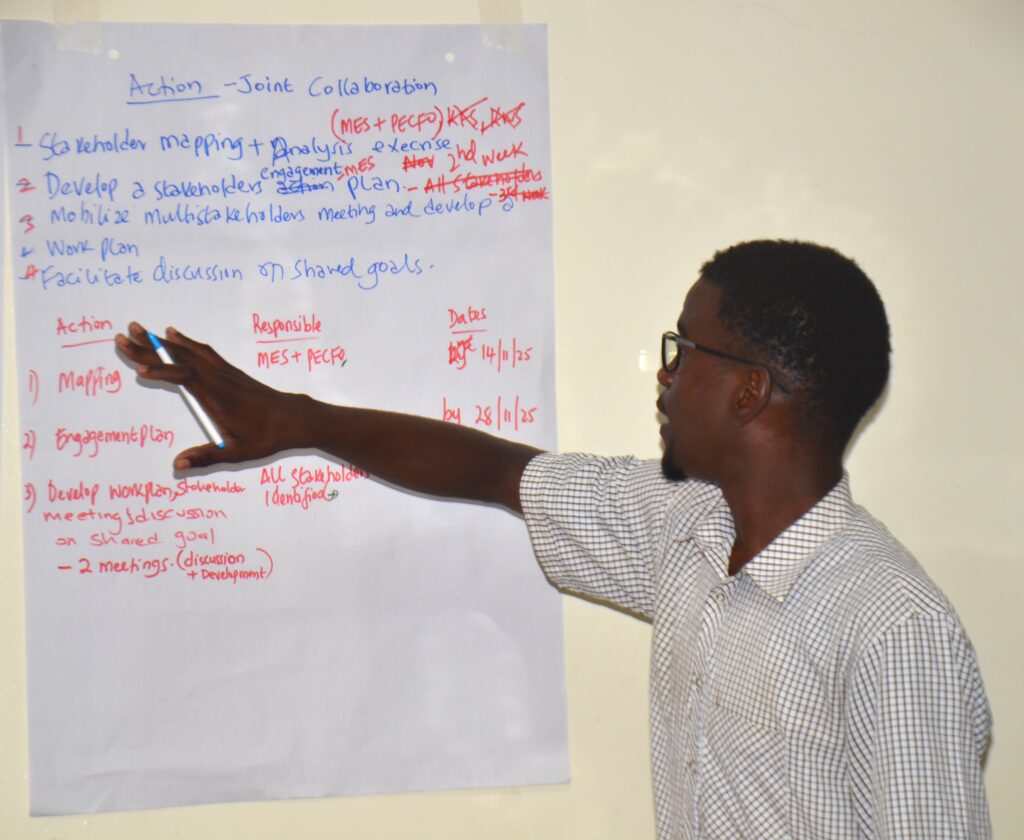
At just 22 years of age, Saidi is on a mission to get more youths aware of what Mwaluganje Elephant Sanctuary is about and get them to bring in their fresh ideas. His hope is that with time and strengthening of the governance and management structures, Mwaluganje will get back on its feet and employ community members as rangers, secretaries, drivers, managers and so on. He wants to see a Mwaluganje that is self-reliant and successful.
“Nataka kuona Mwaluganje ikiwa Masaai Mara ya pwani,” Saidi states. (I want Mwaluganje to be the Maasai Mara of the coast region)
Mwaluganje has established women and youth forums where these previously marginalized groups can better engage and be involved in conservancy activities. The revamp of its governance in has ignited renewed hope of a brighter future. Saidi, visibly excited by increased involvement of youth and women in the Sanctuary, now aspires to see more operational transparency and a sanctuary that grows to provide economic opportunities for youth like him who are either venturing into business or searching for formal employment.
Mwaluganje, the sanctuary established three decades ago to reduce human elephant conflict in Kwale area and generate benefits for the community through conservation, is once again blooming to life. Golini Mwaluganje Community Elephant Sanctuary is a testament of how strategic governance structures can positively impact institutions and the communities which depend on them. With a new constitution in place and vibrant youth like Saidi contributing their ideas in the board, the first Community Wildlife Sanctuary in Kenya is once again beginning to flourish just like the elephants that it has provide safe passage for hundreds of years.
Posted on